



4高冷間圧延機プロセス
The heart of modern cold rolling operations beats with the precision of an automatic gauge control system (AGC), a technological marvel that has revolutionized strip thickness consistency. In today's competitive steel and aluminum markets, where micron-level tolerances separate profitable operations from quality rejections, the AGC system stands as the guardian of dimensional accuracy. These sophisticated control networks continuously monitor and adjust rolling parameters to maintain strip thickness within tight tolerances, often as narrow as ±1% of target thickness. At the core of this technology lies the AGC controller , a powerful computational unit that processes multiple sensor inputs and executes mill adjustments at speeds measured in milliseconds. Modern cold rolling mills process materials at velocities exceeding 2,000 meters per minute, leaving no room for human intervention in thickness control. The automatic gauge control cold rolling mill represents a perfect marriage of mechanical engineering and digital control systems, where hydraulic actuators, load cells, and X-ray gauges work in concert to deliver unprecedented product consistency. System Architecture of Modern AGC Controllers The architecture of contemporary automatic gauge control system s represents a multi-layered approach to thickness management. Primary control elements include hydraulic gap adjustment systems, backup roll bending mechanisms, and interstand tension control, all coordinated by the central AGC controller . This hierarchical structure allows for both coarse and fine adjustments, with the system making macro-corrections for incoming material variations while simultaneously handling micro-adjustments for transient disturbances. Sensor networks form the nervous system of the AGC system , with X-ray or gamma-ray thickness gauges providing continuous strip measurement both upstream and downstream of the mill stands. These non-contact measurement devices, often employing advanced spectroscopy techniques, deliver thickness readings accurate to within 0.1% of nominal gauge. Simultaneously, load cells measure rolling force with similar precision, while laser speed sensors monitor strip velocity for proper mass flow calculations. The true intelligence of modern automatic gauge control cold rolling mill systems lies in their adaptive control algorithms. Unlike early generation controllers that operated with fixed response parameters, current systems dynamically adjust their control strategies based on material grade, target thickness, and rolling speed. This adaptability proves particularly valuable when processing advanced high-strength steels or specialty aluminum alloys that exhibit non-linear deformation characteristics during rolling. Advanced Control Algorithms in Modern AGC Systems The evolution of control algorithms represents perhaps the most significant advancement in automatic gauge control technology. Contemporary AGC controller s employ sophisticated mathematical models that go beyond traditional PID (Proportional-Integral-Derivative) control schemes. Model Predictive Control (MPC) algorithms now enable the system to anticipate thickness variations based on upstream measurements and adjust rolling parameters proactively. Self-learning neural networks embedded in modern AGC system s continuously refine their control parameters based on observed performance. These systems develop "mill fingerprints" that account for the unique mechanical characteristics of each rolling stand, including nonlinearities in hydraulic response and structural deflections under load. The result is thickness control that adapts to both the material being processed and the current condition of the mill equipment. Fuzzy logic controllers have also found application in automatic gauge control cold rolling mill systems, particularly when processing materials with variable characteristics or when operating near the physical limits of the mill. These rule-based systems excel at handling the imprecise or conflicting data that sometimes occurs in industrial environments, maintaining stable control even when sensor readings show temporary inconsistencies. AGC Revamping for Legacy Rolling Mills The business case for AGC revamping in older rolling mills has never been stronger. Modernization projects can transform mills with analog or early-generation digital controls into precision rolling facilities capable of meeting current market demands. A typical revamping project involves replacing outdated control hardware with modern industrial PCs or PLCs, upgrading sensor systems, and installing advanced hydraulic servo valves with faster response times. One of the key benefits of AGC revamping is the ability to implement modern control algorithms on existing mill frames. Many older mills possess the mechanical capability for precision rolling but lack the control systems to fully exploit this potential. By retaining the robust mechanical structure while upgrading the control systems, operators achieve significant quality improvements at a fraction of the cost of new mill installations. Successful revamping projects often focus on improving specific aspects of performance: Reducing thickness variation during acceleration and deceleration Minimizing gauge deviations at strip welds Improving edge drop control Enhancing response to sudden hardness variations in the strip The integration of modern human-machine interfaces (HMIs) as part of AGC revamping projects also improves operator situational awareness, providing clear visualizations of system performance and easier access to historical performance data for analysis. The Indispensable Nature of Modern AGC Systems The automatic gauge control system has evolved from a simple thickness regulator to the central nervous system of precision cold rolling operations. Today's AGC controller s represent the culmination of decades of development in control theory, mechanical engineering, and materials science, delivering thickness consistency that was unimaginable in the early days of rolling mill operation. As market demands continue pushing toward tighter tolerances, more challenging materials, and higher productivity, the role of advanced AGC system s will only grow in importance. The ongoing digital transformation of rolling mills ensures that automatic gauge control will remain at the forefront of quality assurance, combining the physical principles of metal deformation with the latest advances in digital control technology. For rolling mill operators, investment in AGC technology—whether through new installations or strategic revamping projects—represents one of the most effective pathways to improved product quality, reduced scrap, and enhanced customer satisfaction. In the precision-driven world of cold rolling, the automatic gauge control system stands as both guardian of quality and enabler of innovation.

We have successfully executed over 500
projects around the world,
many first-of-their-kind
research projects and products in China, including
We have successfully executed over 500
projects around the world,
many first-of-their-kind
research projects and products in China, including
-
2004
The 1st hydraulic AGC system for hot rolling of ribbon steel
-
2006
The 1st AFC system used for 1450mm skin pass mill
-
2009
The 1st 5-stand tandem line with 2-stand POR & Uncoiler for 650mm ribbon steel
-
2012
The 1st reversing mill for 1380mm strip
-
2016
The 1st soft-rolling system used in skin pass mill
-
2019
The 1st fully automated medium-width tandem cold rolling mill
-
2021
The 1st 5000KN Twin-stand double skin pass mill
-
2022
The 1st coupled pickling line & tandem cold mill with two modes - big roller & small roller
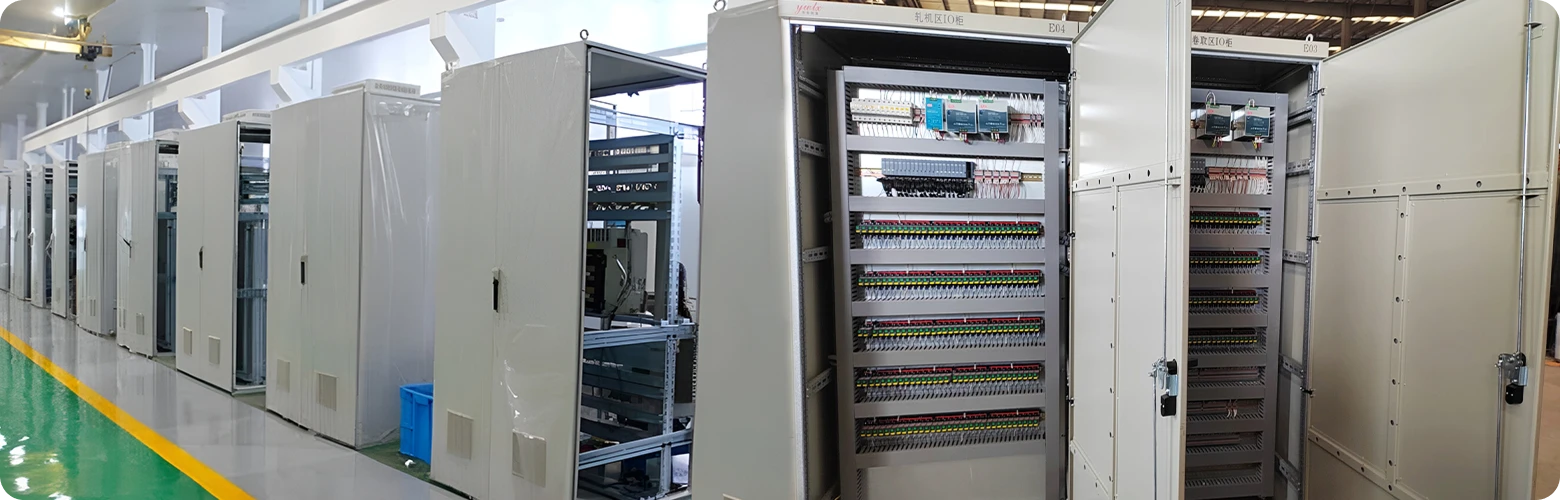
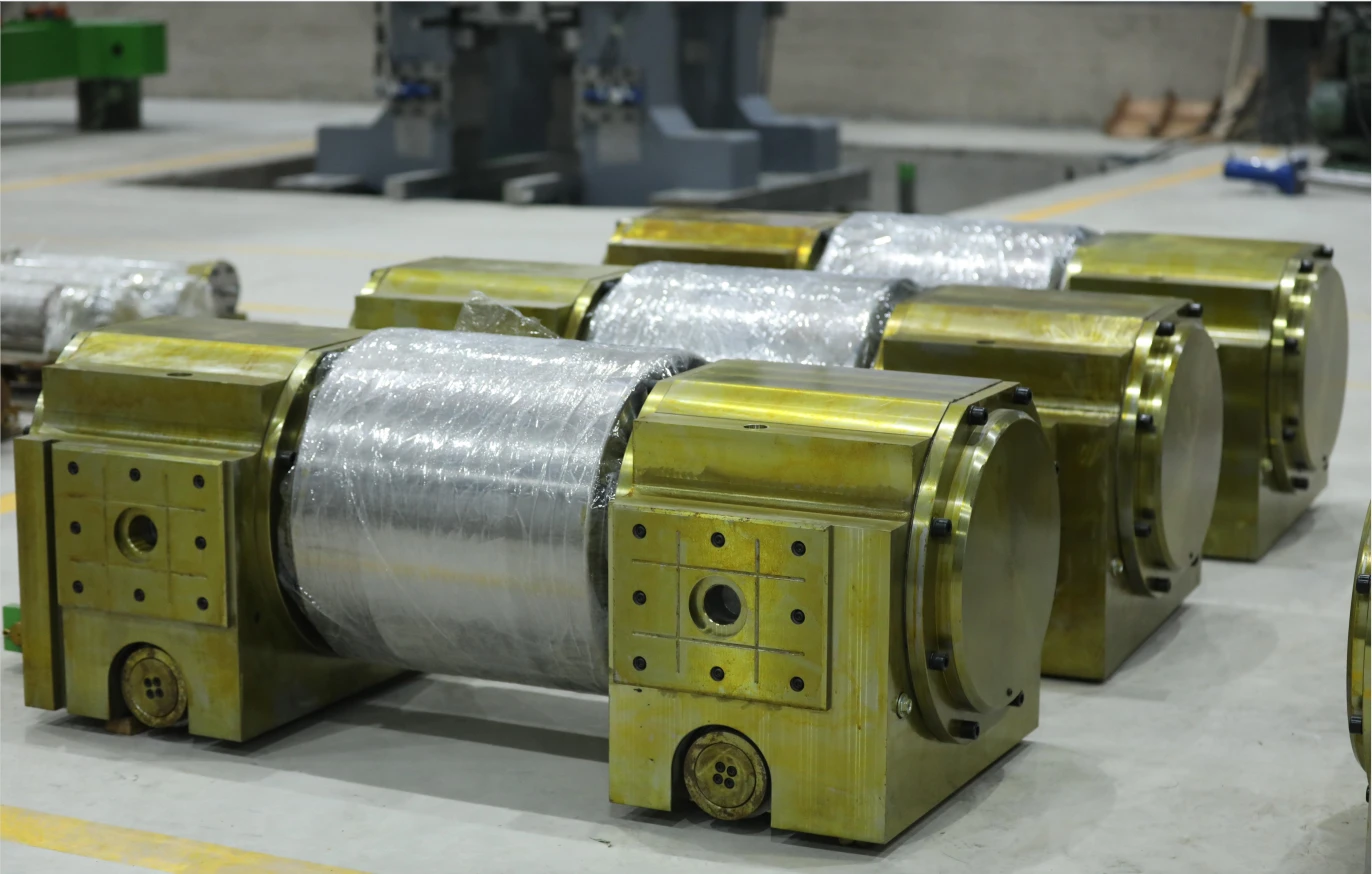
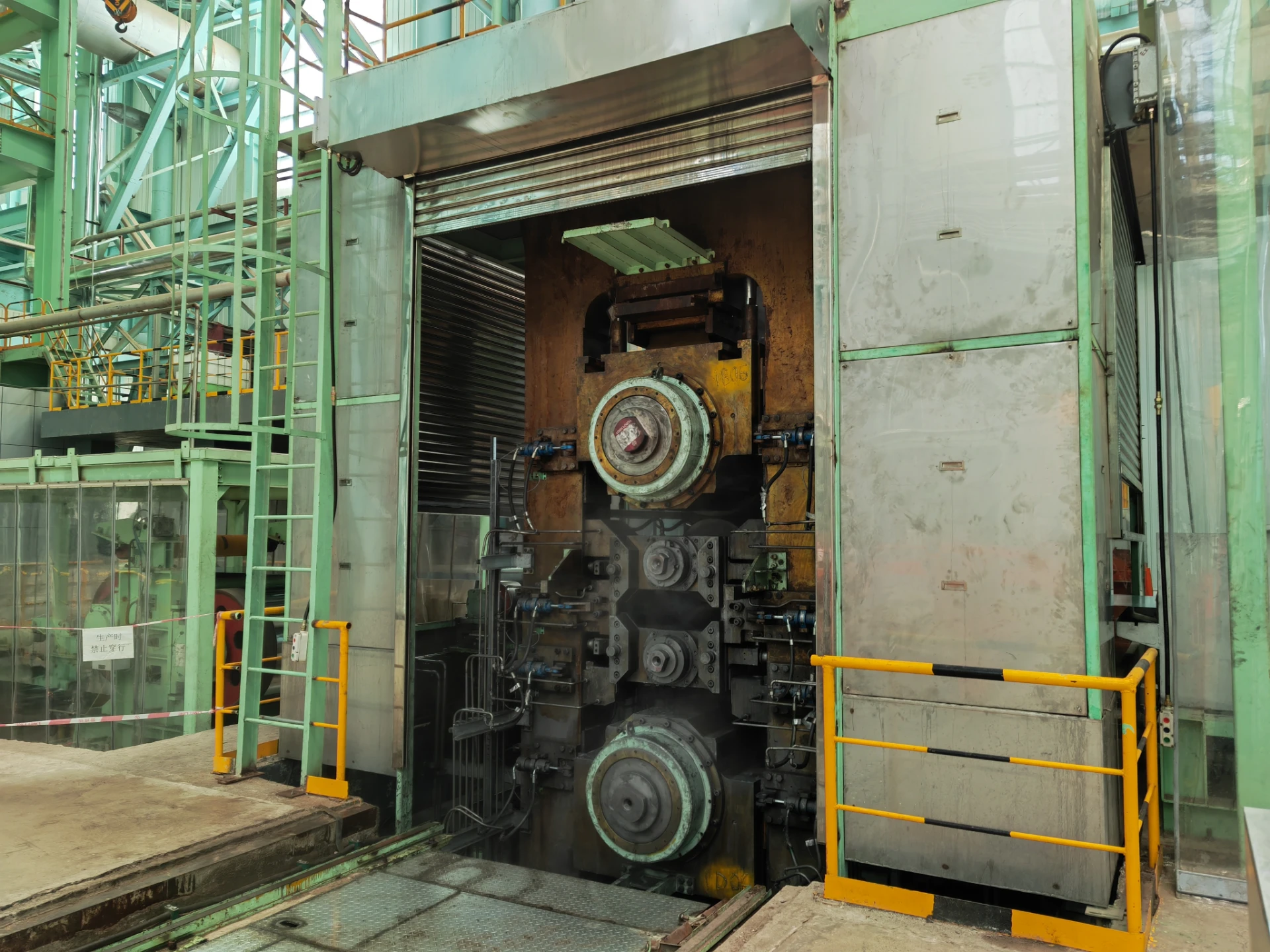
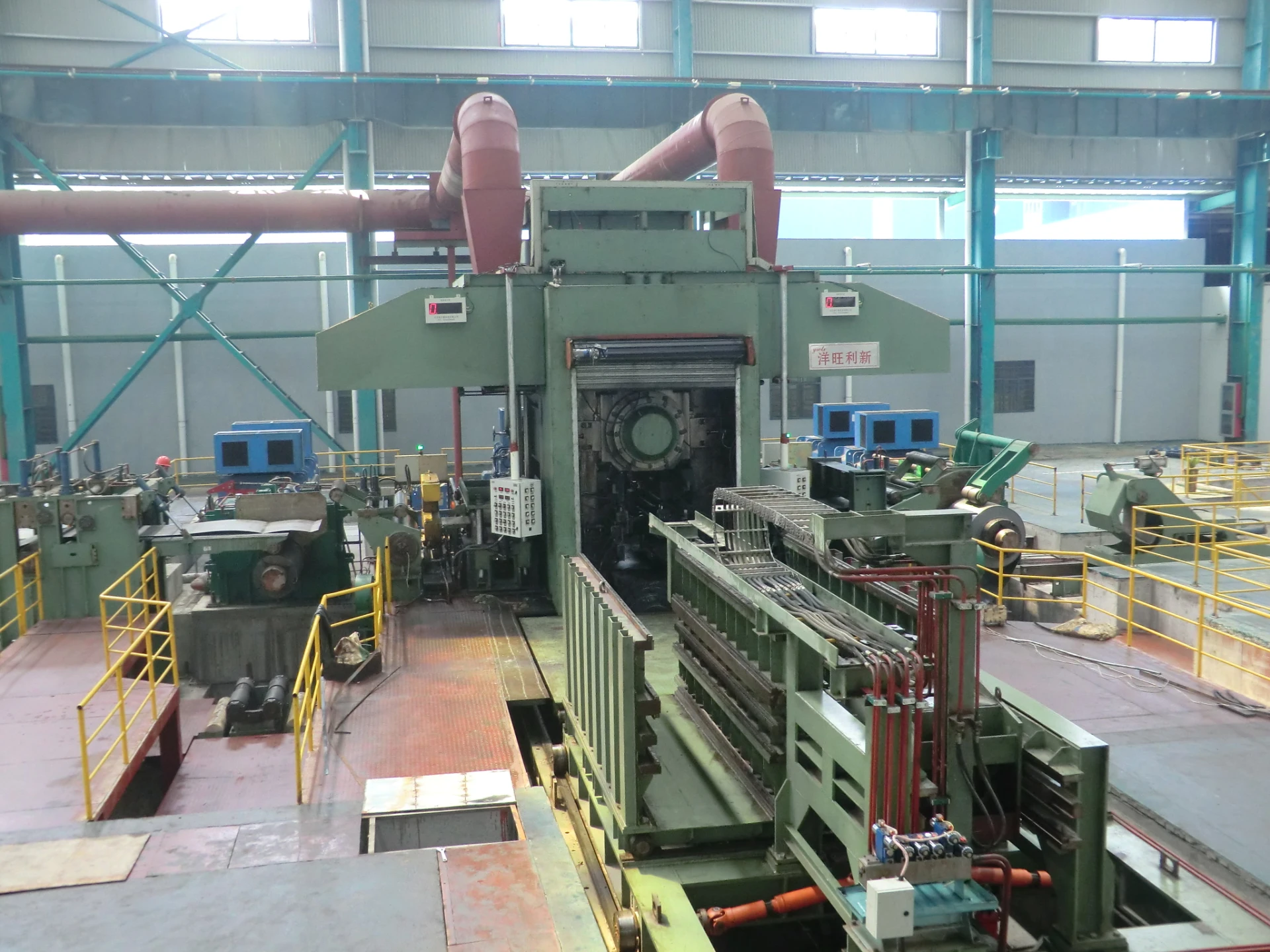
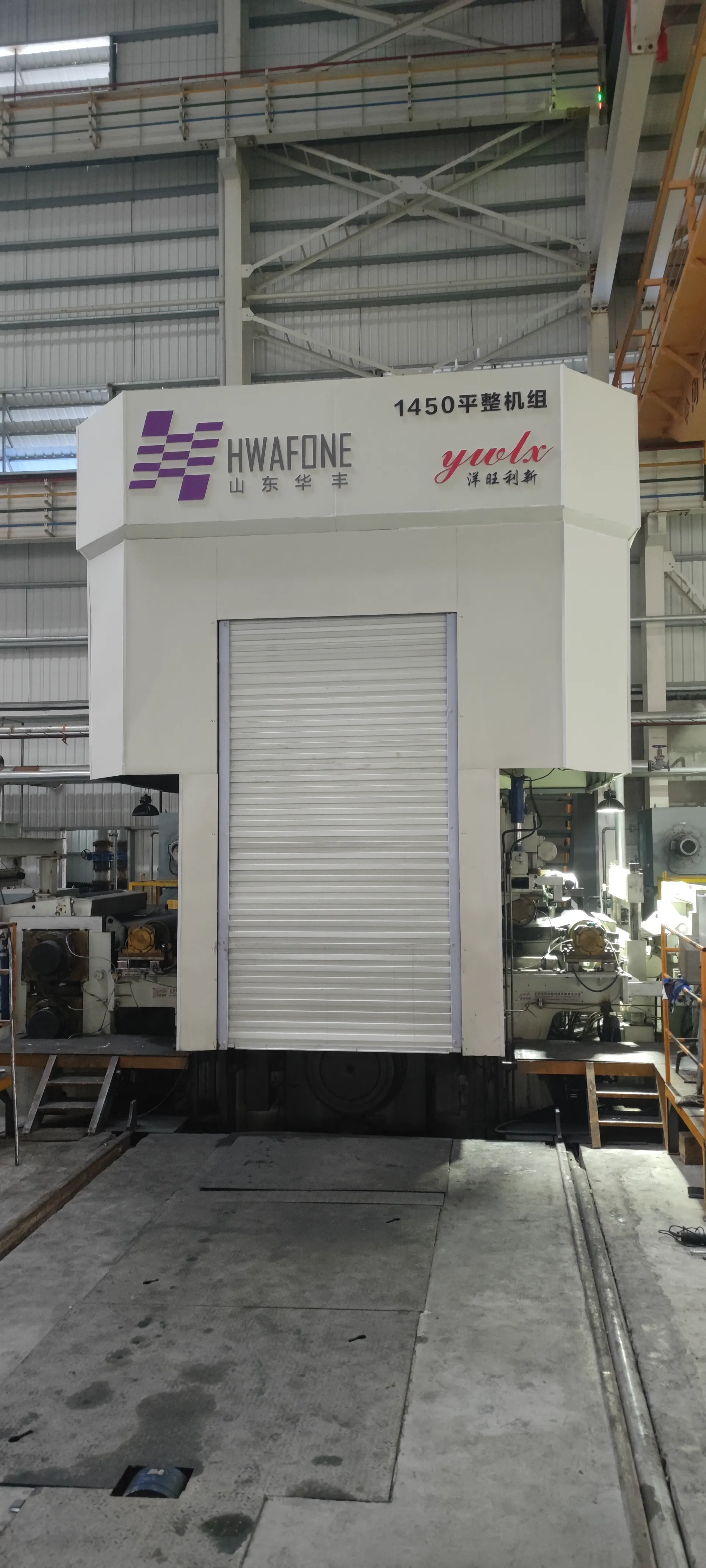
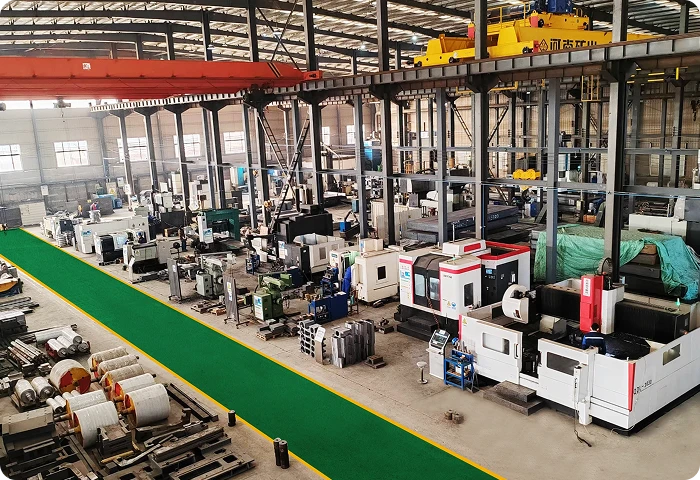
Yang Wang Li Xin operates a state-of-the-art facility over 66,000 square meters,and our manufacturing facility is fully equipped with high-tech machinery and high-capacity cranes. This enables us to handle large work pieces measuring 4.5m in width, 10m in length, and 1.5m in height, guaranteeing our capacity to produce 1800mm skin-pass mills and 1450mm rolling mills. The individual piece can weigh up to 100 tons.

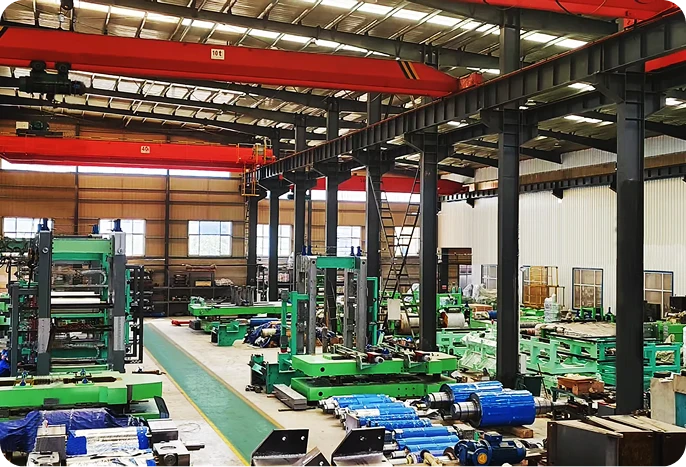

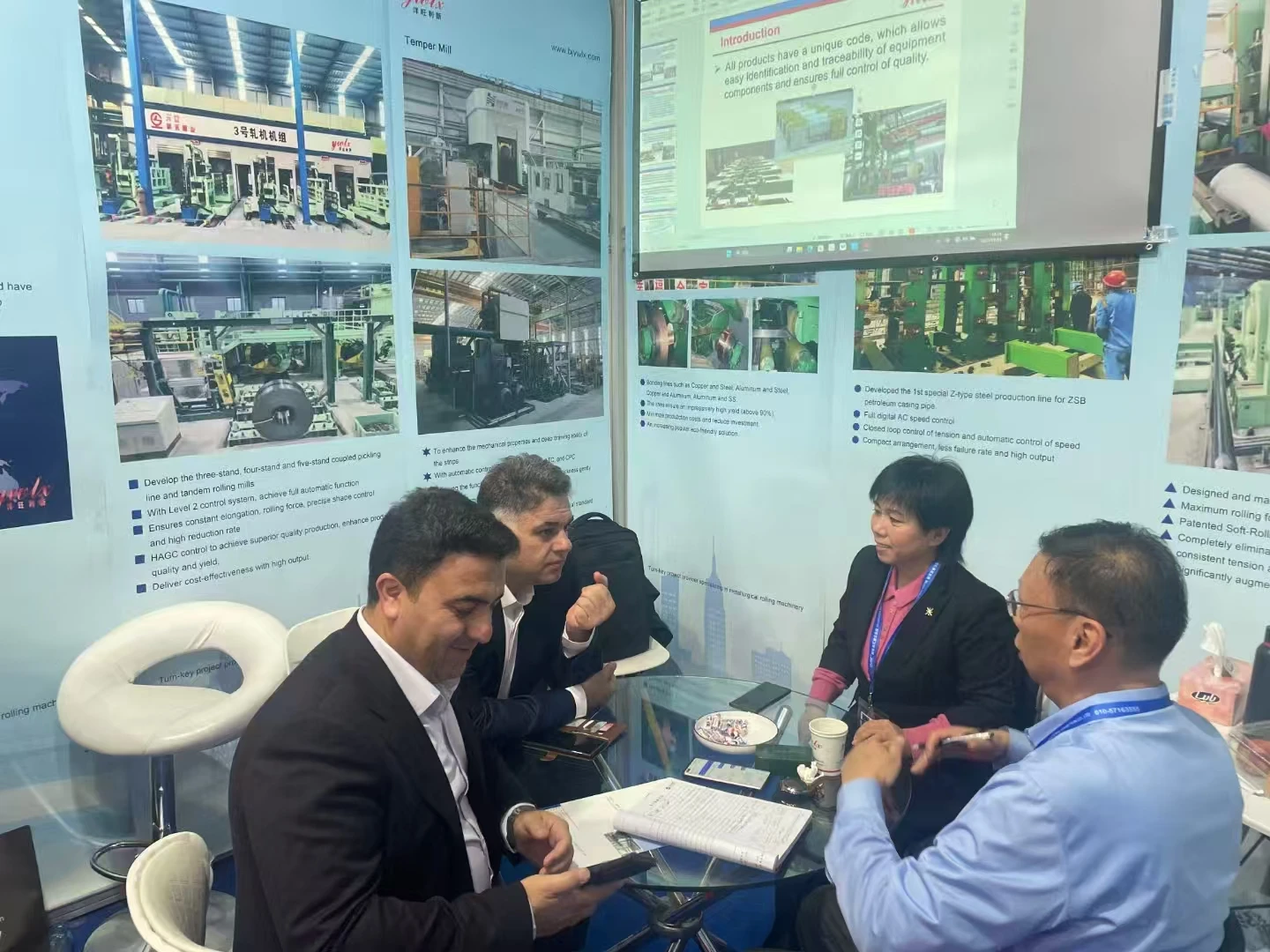
Quality is fundamental to the enterprise survival. We have established a comprehensive and meticulous quality management system and have successfully obtained ISO14000 certification. Starting from the design source, it supervises the entire production cycle, including design, procurement, processing, assembly, in-factory testing, installation, and online commissioning. The workshop is equipped with measuring tools like vernier calipers, spectrometers, hardness testers, and ultrasonic flaw detectors. They are used to check materials and control tolerances to ensure the final equipment meets or exceeds requirements. All products have a unique code, This enables the easy identification and traceability of the equipment components and ensures full control of quality.


-
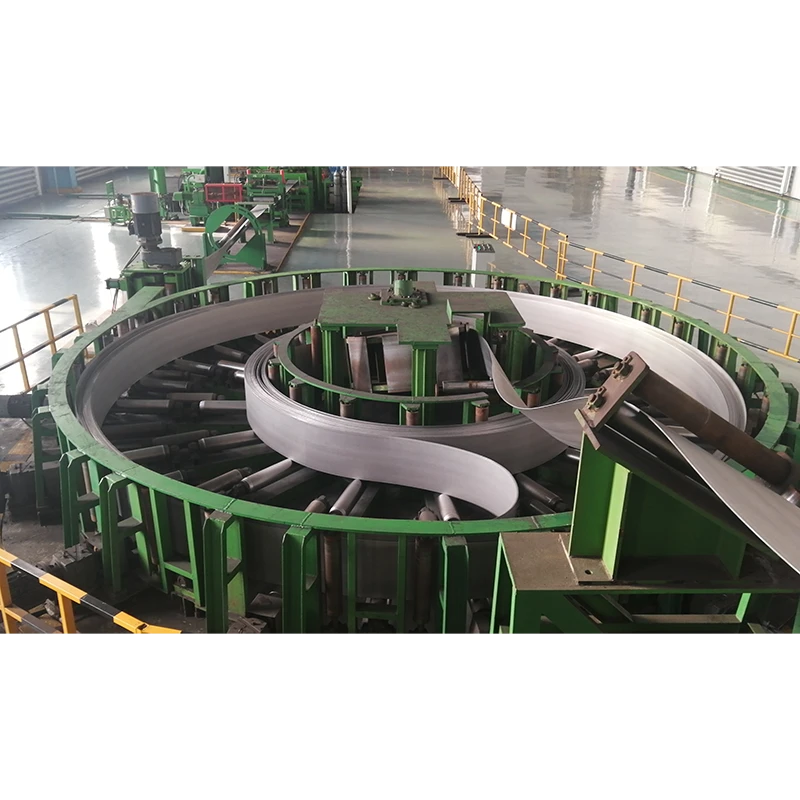 Full- throttle! YWLX's Intense Production During May DayDuring the May Day, while many people were enjoying their well - deserved breaks, the production workshop of YWLX was bustling with activity. The employees were fully engaged in their work, and the rumbling of machines intertwined into an exciting melody of progress, playing a powerful movement for the company's development. Inside the workshop, numerous goods were arranged in an orderly manner, j
 -
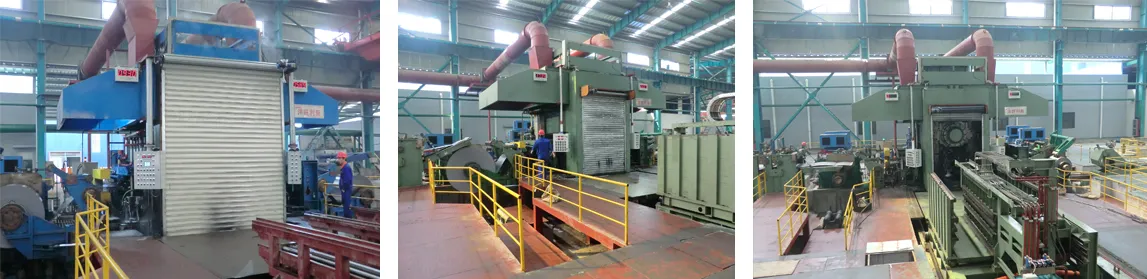 Cladding Rolling Mill-Beijing Yang Wang Li Xin Sci&Tech Co., Ltd.|Energy-Efficient Cold Rolling&High-Yield Metal BondingCladding Rolling Mill has emerged as a groundbreaking solution in the manufacturing industry, offering a sustainable and efficient alternative to traditional methods like hot rolling and explosive cladding. Developed by Beijing Yang Wang Li Xin Sci&Tech Co., Ltd. (formerly Shijiazhuang Yangwang Electromechanical Technology Co., Ltd.), this technology addresses critical challenges in surface qualit
 -
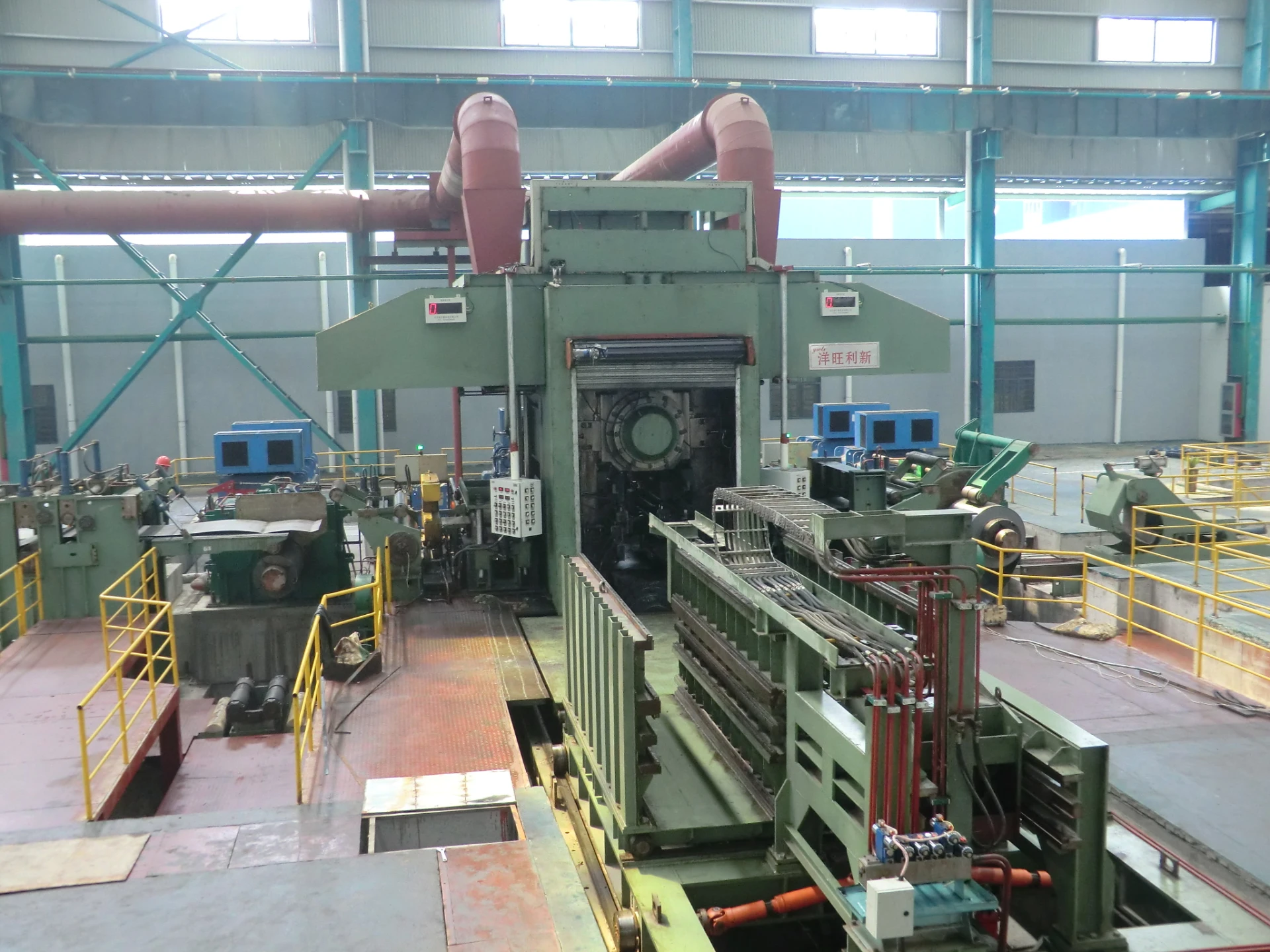 seasoning packaging machineIn the ever-evolving landscape of metal manufacturing, the cold rolling mill machinery sector stands out as a beacon of innovation and precision. A company specializing in the production of cold rolling mill machinery is not merely crafting machines; it is engineering solutions that drive industries forward. The process of cold rolling is crucial for producing metal sheets with excellent structura


